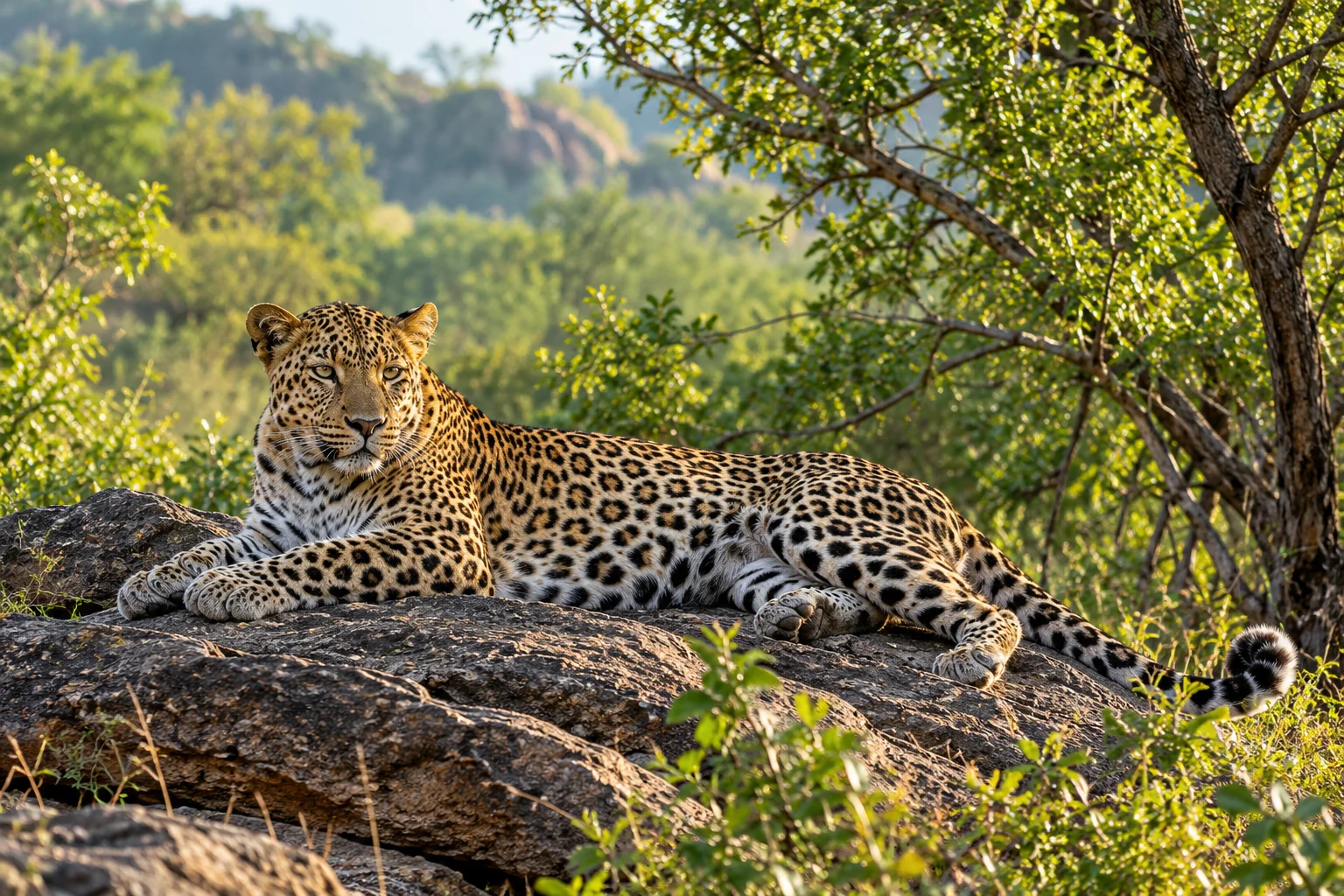
01 / PREDATOR
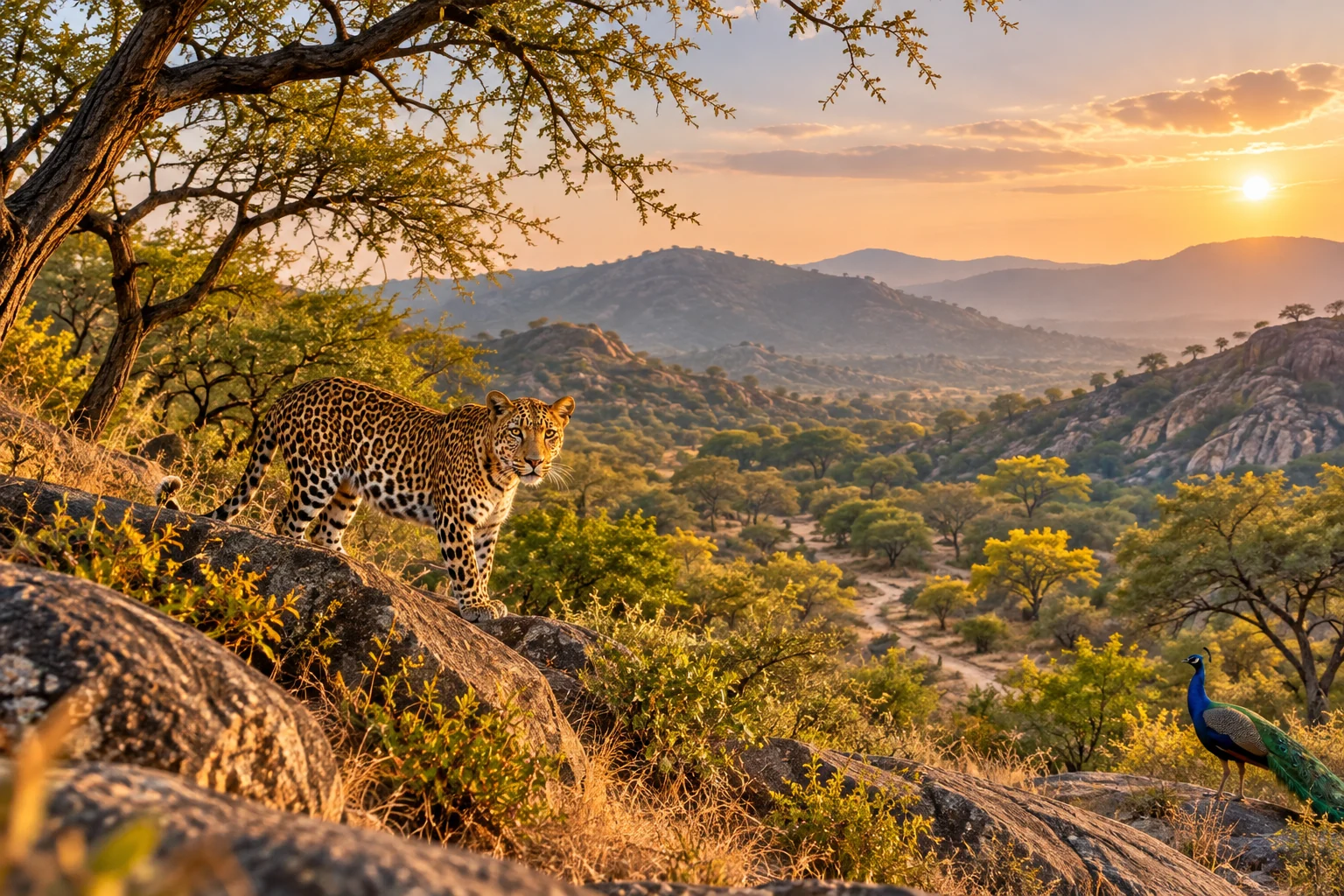
Indian Leopard
Quiet, elusive and beautifully adapted to the rocky forest landscape.
The harbingers of Eco-Tourism in Jaipur
Step away from the city's rhythm and into the rugged beauty of the Aravalli hills. Follow the forest trails, discover a remarkable ecosystem, and experience the wild side of Jaipur.

Jhalana Leopard Safari Park covers approximately 23 square kilometres and is known for its leopard habitat in the heart of Jaipur. Rocky slopes, dry forest and scrub create a distinctive setting for wildlife viewing close to the city.
Once a reserve forest near Jaipur, Jhalana is also home to spotted deer, nilgai, wild boar and resident and migratory birds. Safari operations began in December 2016, and visitors can explore designated routes with a guide.
Discover the wildlife
Every turn holds a story.
Leave room for wonder.
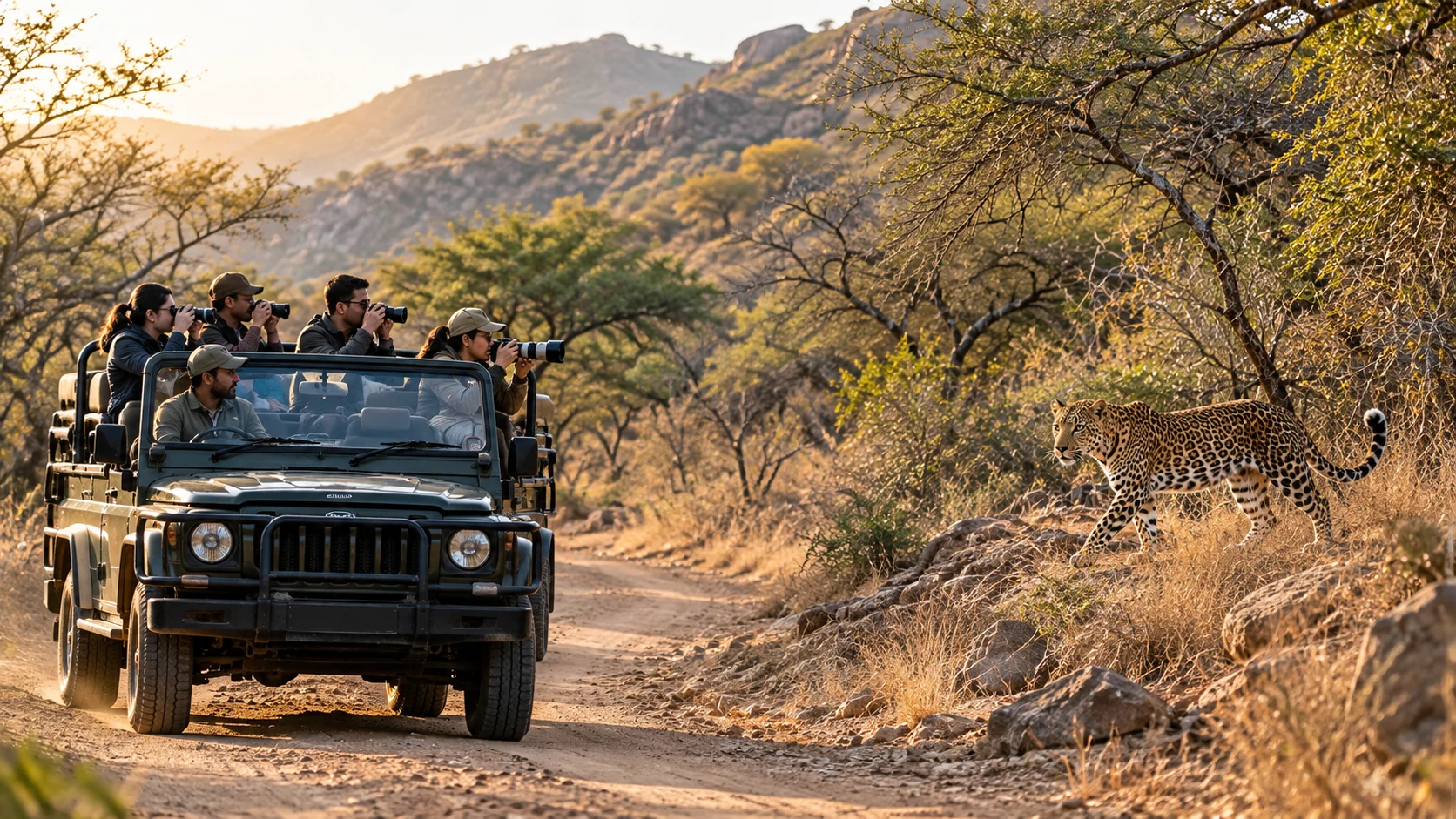
Jhalana brings the natural world close to the city. Its rocky Aravalli terrain offers opportunities to learn about leopards and the wider ecosystem they share with herbivores, birds and smaller predators. A guided safari is also a chance to understand why habitat and conservation matter.
Explore a dry, rugged ecosystem of scrub vegetation, rocky outcrops, grass patches and trees—habitats that support wildlife and create a special atmosphere in every season.
Quiet, elusive and beautifully adapted to the rocky forest landscape.

One of the large herbivores found moving through open patches of the reserve.
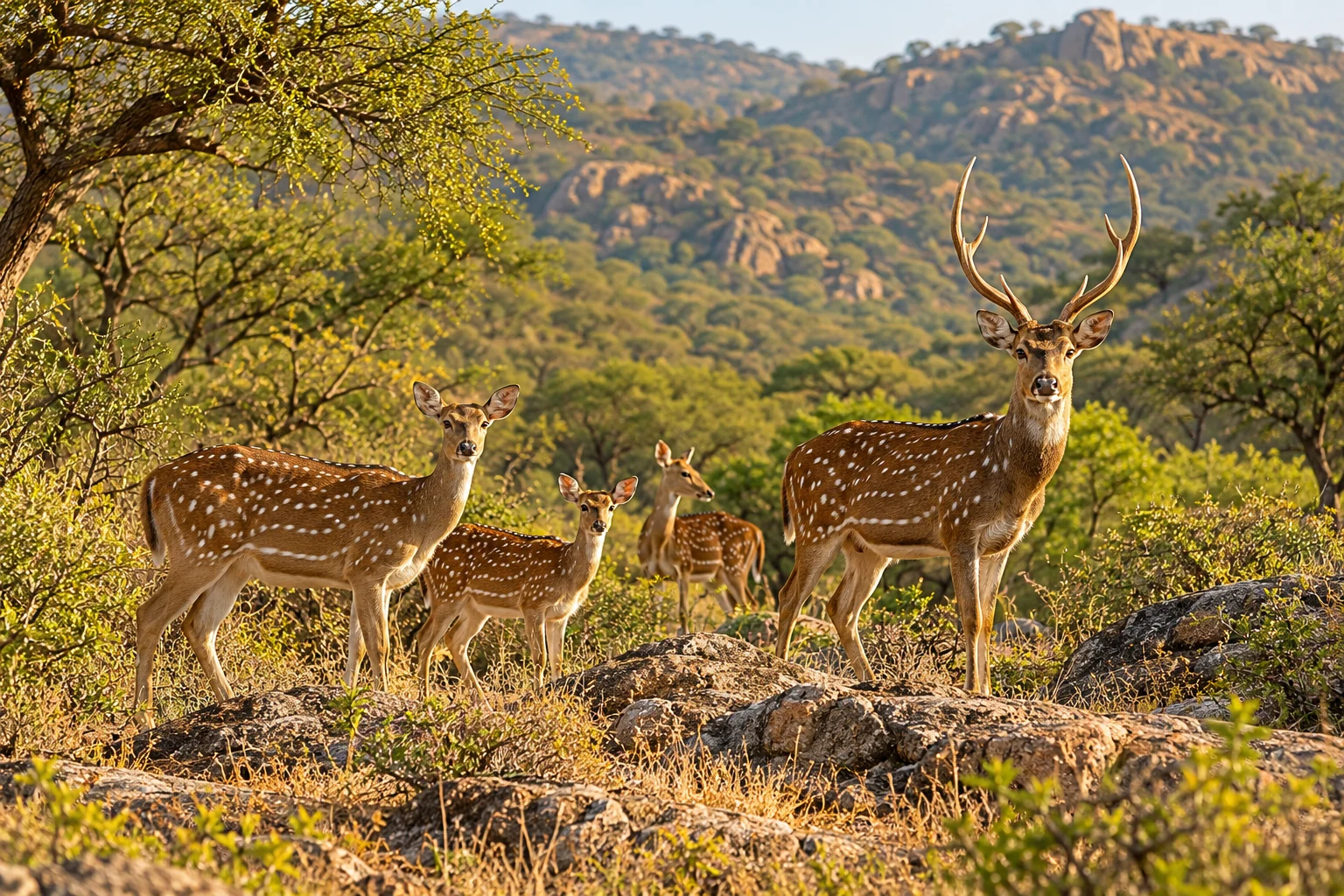
Chital and other forest neighbours are an important part of the ecosystem.
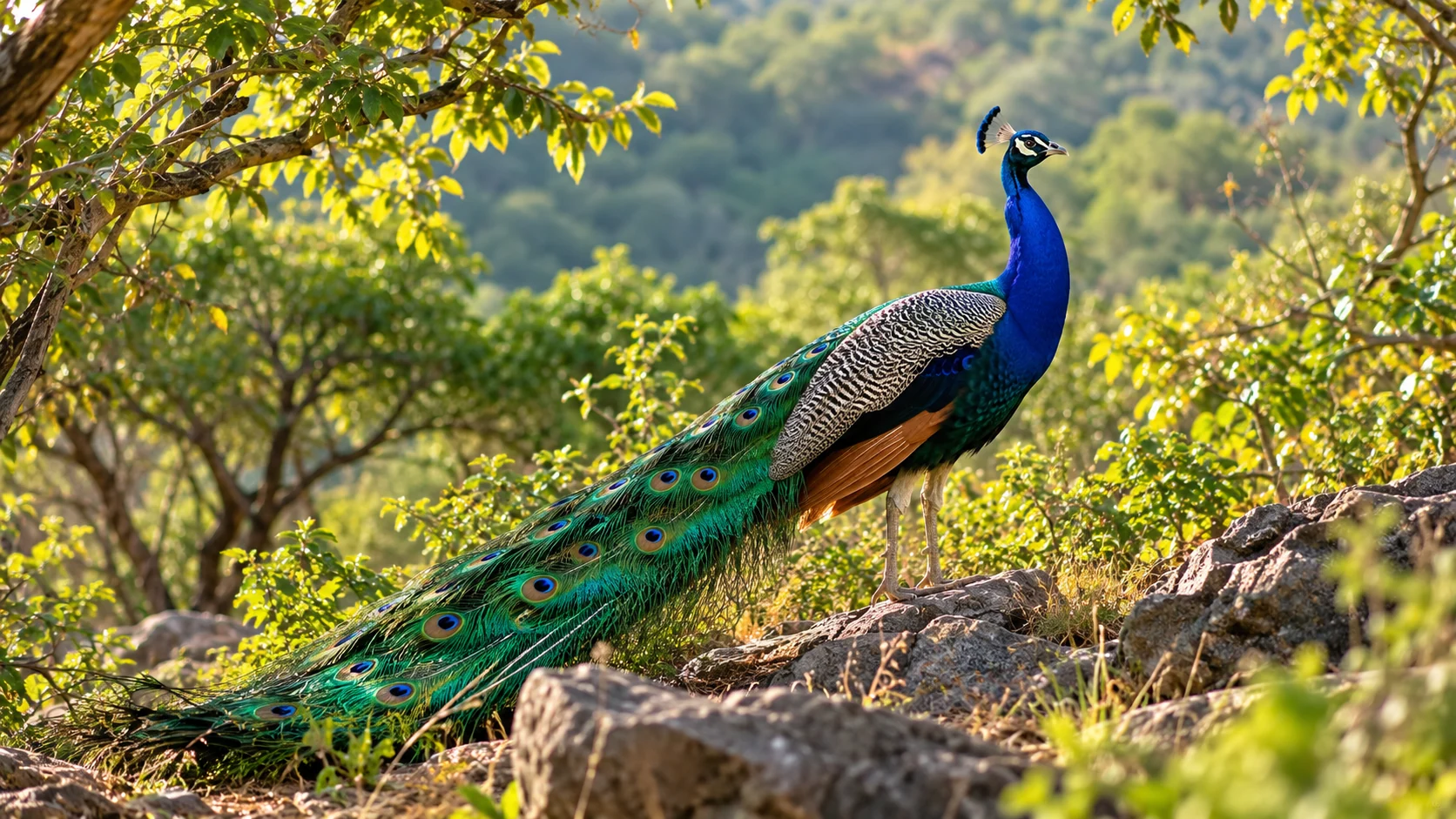
Resident and migratory birdlife adds colour and sound to the landscape.
Hardy shrubs, trees, grasses and rocky slopes shape this semi-arid habitat. Reptiles and smaller wildlife are also part of its biodiversity.
Jhalana is located in Jaipur, Rajasthan, with connections to the airport, railway station and city accommodation. Choose the travel option that fits your plan and confirm local access before leaving.
Address: VR4M+28P, Calgiri Marg, Malviya Nagar Industrial Area, Malviya Nagar, Jaipur, Rajasthan 302017
Get DirectionsJaipur International Airport is the nearest airport; continue by taxi or local transport.
Jaipur Junction is the main railway station, with taxis and autos available.
Jaipur connects to nearby cities by road, with cabs and local transport available.
Ask your tour operator about safari arrangements, transport and guide availability.
Weather and wildlife activity can vary by season. Use these general pointers while planning and confirm current safari timings, access and availability before travelling.
Tip for visitors
Early mornings and late afternoons are often preferred for wildlife watching and photography.
Comfortable weather can make a safari more enjoyable, with less dense vegetation at some times.
Morning and late-afternoon outings can offer softer light and active wildlife moments.
Summer temperatures in Rajasthan can be high. Prepare for the weather and reconfirm operating schedules.
Rainfall may affect routes or access, so check park notices before setting out.
Wildlife sightings are never scripted. Enjoy the experience with patience, care and respect for the habitat.
Images are illustrative wildlife visuals created for this website design; they are not guaranteed photographs from a specific safari or a record of current sightings.
Planning a visit or have questions about the safari experience? Share your details and use the enquiry draft to start a conversation.
Plan with care.
Confirm current slots, entry requirements and operating hours before travel.